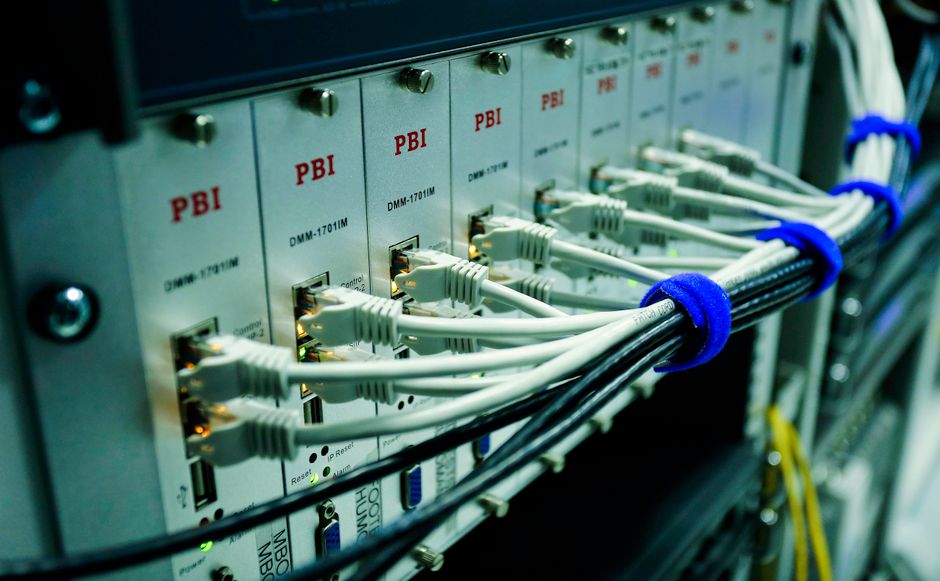
Edge Computing Trends Shaping 2025
Edge computing continues to evolve as organizations seek to process data closer to where it is generated. The convergence of 5G connectivity and distributed cloud architectures is enabling new possibilities for latency-sensitive applications and real-time analytics. As 2025 approaches, several trends are shaping how businesses design and deploy edge solutions.
This article examines the key developments in edge computing, focusing on the interplay between 5G networks and distributed cloud models. It discusses how these technologies influence data processing at the network edge and what considerations may arise for IT leaders. The goal is to provide a neutral overview of the landscape, highlighting factors that could affect adoption and implementation.
Understanding these trends can help organizations make informed decisions about their infrastructure strategies. The following sections explore specific areas where 5G and distributed cloud are making an impact, along with potential challenges and best practices.
5G and the Expansion of Edge Capabilities
The rollout of 5G networks is a significant factor in the growth of edge computing. 5G offers higher bandwidth, lower latency, and greater device density compared to previous generations. These characteristics enable more data to be processed at the edge, reducing the need to send everything to centralized data centers. As a result, applications that require real-time responses, such as autonomous vehicles, industrial automation, and augmented reality, can operate more effectively.
However, the availability and performance of 5G vary by region and carrier. In the United States, coverage is expanding but remains uneven, especially in rural areas. Organizations considering edge deployments must assess local 5G readiness and plan for fallback options. Additionally, 5G introduces new security considerations, as more endpoints connect directly to the network. Integrating security into edge architectures from the start is essential.
Another aspect is the role of network slicing, which allows multiple virtual networks to run on the same physical infrastructure. This can provide dedicated resources for specific applications, ensuring consistent performance. Network slicing, combined with edge computing, can support diverse use cases with different requirements. However, managing slices across distributed locations adds complexity that organizations need to address.
Distributed Cloud Architectures at the Network Edge
Distributed cloud architectures extend cloud services to the edge, bringing compute and storage closer to data sources. This model contrasts with centralized cloud, where data must travel to a few large data centers. By distributing resources, organizations can achieve lower latency, reduce bandwidth costs, and improve resilience. Distributed cloud also supports data sovereignty requirements by keeping data within specific geographic boundaries.
Implementing distributed cloud involves orchestrating workloads across many locations, from core data centers to edge nodes. This requires robust management and automation tools. Solutions like CoreStack can help organizations gain visibility and control over their distributed environments, ensuring consistent policies and governance. However, the choice of tools depends on specific needs and existing infrastructure.
Key considerations for distributed cloud include connectivity, data synchronization, and operational complexity. Edge locations may have limited resources, so workloads must be optimized for efficiency. Data consistency across sites is another challenge, especially for applications that require real-time updates. Organizations often adopt a hybrid approach, combining centralized and distributed resources based on application requirements.
Key Trends Influencing Edge Computing in 2025
Several trends are expected to shape edge computing in 2025. First, the integration of AI and machine learning at the edge is gaining momentum. Running AI models locally enables faster decision-making and reduces dependence on backhaul networks. This is particularly relevant for applications like predictive maintenance and video analytics.
Second, the adoption of multi-access edge computing (MEC) is growing. MEC brings compute capabilities to the edge of cellular networks, allowing applications to leverage 5G’s low latency. Telecom operators and cloud providers are collaborating to offer MEC services, which can be used for various industry solutions.
Third, edge security is becoming a top priority. As more data is processed outside traditional data centers, the attack surface expands. Organizations are investing in zero-trust security models, encryption, and continuous monitoring to protect edge assets.
Fourth, sustainability concerns are influencing edge designs. Processing data locally can reduce energy consumption associated with data transmission, but edge devices themselves consume power. Balancing performance and energy efficiency is an ongoing challenge.
Finally, standardization efforts are progressing. Industry groups are working on frameworks for interoperability and management of edge computing. These efforts aim to simplify deployment and reduce fragmentation.
Challenges and Considerations for Adoption
Despite the promise of edge computing, several challenges may affect adoption. One is the lack of skilled personnel to design, deploy, and manage edge solutions. Organizations may need to invest in training or partner with service providers.
Another challenge is the cost of infrastructure. While edge computing can reduce bandwidth costs, it requires investment in edge devices, networking, and management tools. Calculating the total cost of ownership is essential.
Regulatory and compliance issues also arise. Data processed at the edge may be subject to different regulations depending on location. Organizations must ensure they meet all applicable requirements.
Interoperability between different edge platforms and cloud services is another consideration. Without standards, integrating components from multiple vendors can be difficult. Choosing solutions that support open standards can mitigate this risk.
Finally, reliability and resiliency are critical. Edge locations may be less reliable than centralized data centers, so organizations need to design for failure and have contingency plans.
Best Practices for Edge Computing Strategies
To navigate the evolving edge landscape, organizations can follow several best practices. Start with a clear understanding of business objectives and identify use cases that truly benefit from edge processing. Not every application requires edge computing; some may be better suited for centralized clouds.
Develop a phased approach to deployment. Begin with pilot projects to test technology and refine processes before scaling. This helps identify issues early and reduces risk.
Invest in management and orchestration tools that provide a single pane of glass for distributed resources. Automation can reduce operational overhead and ensure consistency.
Prioritize security at every layer. Implement identity and access management, encryption, and monitoring across all edge locations.
Foster collaboration between IT, operations, and security teams. Edge computing spans multiple domains, so cross-functional cooperation is essential.
Stay informed about industry developments and standards. The edge ecosystem is rapidly changing, and keeping up with trends can help organizations adapt.
By considering these factors, organizations can develop edge strategies that align with their goals and are resilient to change.
Edge computing is not a one-size-fits-all solution; success depends on careful planning and ongoing evaluation.